Transforming Old Jackets With Iron-On Patches: a Step-By-Step Guide
Yeah. I said it. That idea that patches exist merely to fix a hole, or “spruce up” a jacket, is boring, outdated, and honestly, a little insulting to creativity itself. The conventional wisdom whispers: measure, align, match the colors, stay on theme, or risk disaster. And what do we get? Predictable jackets, safe aesthetics, creativity neutered.
Conventional wisdom is seductive because it feels safe. It’s the distilled advice of cautious minds, people too timid to experiment, too lazy to see beyond the obvious. And yet, in DIY fashion, that kind of thinking is lethal. Iron-on patches are not decoration. They are rebellion. They are storytelling. They are tiny, textile-shaped megaphones shouting you exist, unapologetically.
1. Imperfection Isn’t a Mistake—It’s Your Signature
The world screams “perfect alignment!”, straight lines, measured spacing, the kind of neatness that makes you itch. But here’s the truth: slight misalignment, overlapping chaos, even clashing colors, humans crave it. Imperfection signals authenticity, confidence, audacity.
Vintage punk jackets from the ’70s? Absolutely messy. Some patches hung halfway off the jacket, slogans collided, colors screamed against each other. They weren’t mistakes, they were alive, a visual heartbeat.
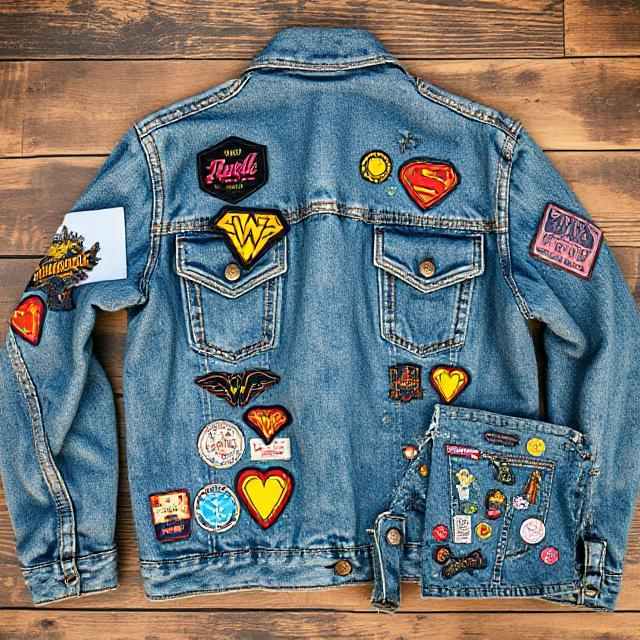
I remember trying this on an old black denim bomber, tilted one patch ever so slightly. My brain panicked. But when I stepped back, it looked intentional. Bold. Magnetic. Layered over it another patch, overlapping, ignoring symmetry entirely. The result? A jacket that seemed alive, like it had personality, like it might whisper secrets if you leaned in close.
Try this: tilt, overlap, misalign, but intentionally. Make the imperfection feel like design. Because, newsflash, it is.
2. Theme Obsession Kills Originality
Oh, the “stick to one theme” rule. Flowers only. Pastels only. Logos in neat rows. Boring. The jackets that stop people mid-scroll are rarely consistent, they contradict themselves, clash beautifully, tell stories through conflict.
Look at streetwear from Tokyo or Berlin. A neon cat patch sitting right next to a political slogan. Glitter clashing with denim. Cartoon characters next to punk skulls. Chaos. Tension. The human eye loves unpredictability, it forces engagement.
Experiment:
- Pick an anchor patch. Something that screams you.
- Surround it with three or four that seem unrelated. Maybe even offensive to good taste.
- Overlap, tilt, layer textures. Color contrast is your friend.
- Ask yourself: does it make someone pause? If yes, mission accomplished.
Contradiction isn’t failure, it’s storytelling. And jackets like this? They are tiny mobile narratives of your mind.
3. Technique Is Optional—Creativity Isn’t
Heat, timing, fabric types…we’ve all been warned, yes. But obsessing over ironing technique kills experimentation. Some of the most compelling jackets I’ve seen emerged from so-called “errors”, overheated leather puckering, slightly crooked iron-on patches, edges fraying in a perfectly imperfect way. These little accidents add depth, texture, character.
I once tried this with a thrifted leather bomber. Iron was hotter than recommended. Patch slightly off-center. Scared the hell out of me. But it fused with a texture that was tactile, alive, edgy. Sometimes, pushing beyond the instructions produces something human, something you could never predict.
Pro tip: layer with stitching, fray edges, experiment. The iron is a tool, not a dictator.
4. Don’t Wait for Holes—Start With Perfection
Here’s a brutal truth: patches are not just repair tools. Waiting for holes or wear is reactive, uninspired, boring. Some of the most iconic DIY jackets started pristine, black denim, leather bombers, spotless military jackets. The wearer decided to impose personality on them before necessity demanded it.
This is called preemptive expression, and psychology tells us it sparks higher creative satisfaction. The jacket isn’t waiting for damage; you’re writing its story, controlling its narrative.
Exercise: pick any jacket. Pretend it’s blank canvas screaming for chaos. Choose patches that reflect humor, nostalgia, identity, rebellion, whatever. Apply freely. Step back. The jacket doesn’t just look modified, it is modified, alive, intentional.
5. Celebrate Mistakes—They’re Often the Best Part
Paradoxically, the patch that refuses to stick, the one that misaligns or peels after washing, often becomes the most memorable. It carries narrative weight. It shows experimentation. It’s human, relatable, alive. Social media backs this: viral DIY jackets frequently feature peeling patches, irregular edges, crooked lines. People love imperfection, it signals authenticity.
I’ve seen a patch fall repeatedly off a thrifted denim jacket. The owner layered it, stitched it, added frayed borders. Suddenly it was the focal point, the centerpiece of the jacket. The mistake became art.
Rule: don’t discard misapplied patches. Reapply, layer, celebrate them. They tell stories no instruction manual could teach.
Step-By-Step Chaos Method
Here’s how you put all this contrarian wisdom into practice:
- Pick a canvas: old jacket, new jacket, hole-free jacket, it doesn’t matter.
- Anchor patches: 1–2 statements that scream you.
- Forget alignment: tilt, overlap, layer. Asymmetry is magnetic.
- Mix themes: clash colors, narratives, textures. Curiosity > consistency.
- Experiment with technique: iron creatively, stitch selectively, embrace texture.
- Patch proactively: control the narrative before holes appear.
- Celebrate failure: peeling, fraying, misaligned patches are narrative gold.
Do this, and the jacket stops being a garment. It becomes a portfolio of audacity, a moving canvas, a wearable manifesto.
Conclusion: Stop Following Rules, Start Telling Stories
The uncomfortable truth: conventional wisdom is safe, boring, and limiting. Perfection kills personality. Themes kill intrigue. Technique obsession kills creativity. Waiting for holes kills initiative. Fear of mistakes kills identity.
So, pick a jacket. Grab your patches. Tilt, overlap, layer, fray, iron too hot, celebrate failure. Question instinct. Break rules. Test limits. Redefine what a jacket can be. The patches are waiting. Your jacket is waiting. The world, maybe, won’t understand it. But that’s the point.