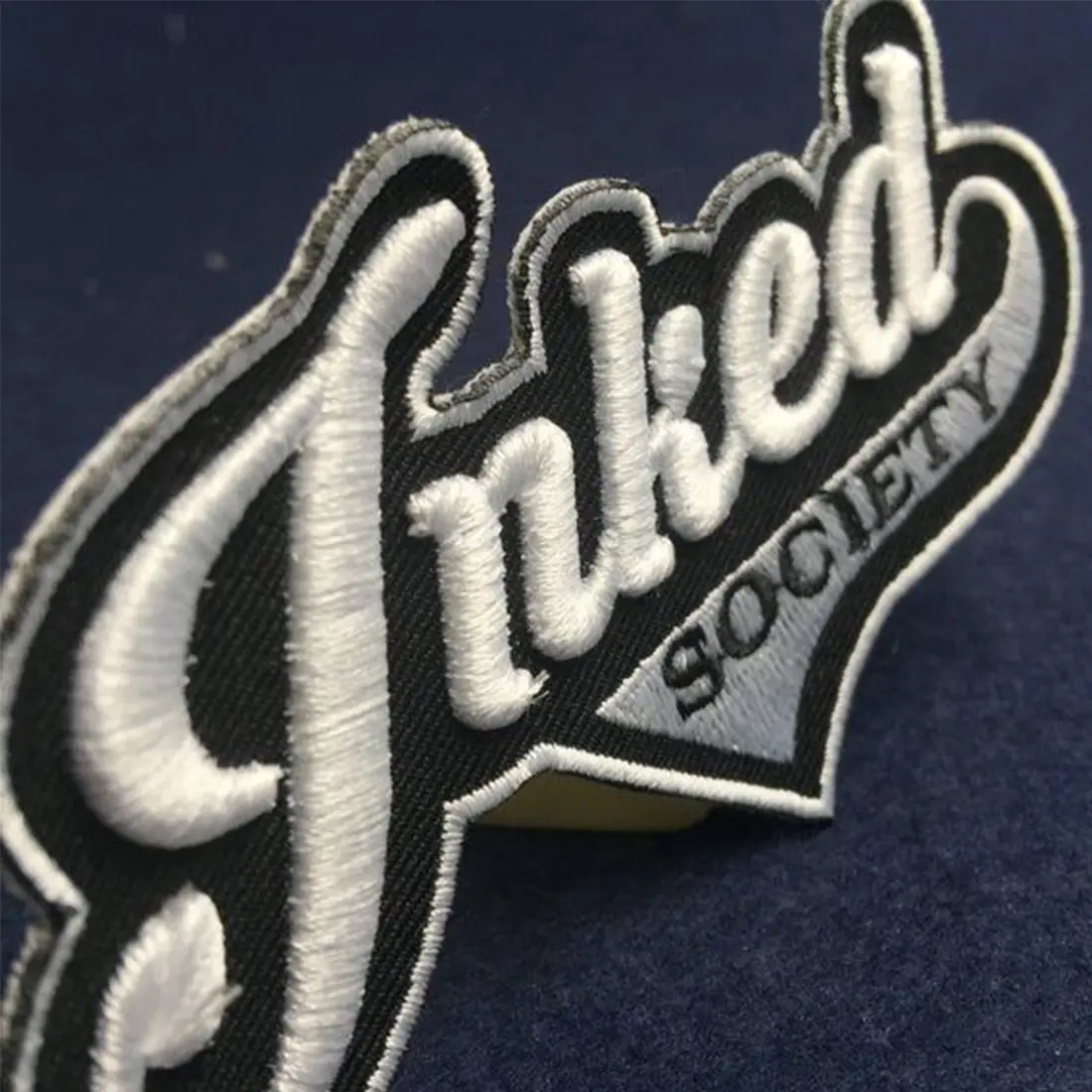
Custom Iron Patches for Gamers: Level Up Your Gear
Let’s be honest, people romanticise custom iron patches for gamers as if they’re some sort of magic token, a piece of cloth that can transform you into an esports god or a digital rockstar. Maybe it’s the nostalgia. Maybe it’s the TikTok aesthetic of gamers unboxing their new jackets with embroidered insignias glowing under RGB lights. Whatever it is, the industry around gaming patches has become… a little theatrical, if not absurd. Everyone’s talking about “authenticity,” “identity,” “community”, buzzwords that sound poetic until you realise most of it’s just clever marketing stitched together.
But myths are sticky things, aren’t they? They grow from a mix of truth, ego, and wishful thinking. They make people feel good about buying, wearing, or showing off something that, deep down, they hope connects them to a tribe. I’ve seen it firsthand, people arguing in Discord servers about thread density and backing quality as if they were debating GPU benchmarks. It’s funny, and a little sad.
The truth? Custom iron patches do matter, but not in the way most think. So let’s rip off the backing paper and press some heat onto reality.
Myth #1: “Custom Iron Patches Are Just for Show—They Don’t Mean Anything.”
Ah yes, the cynic’s anthem. People think these patches are hollow symbols, mere decoration for hoodies or gaming chairs. And on the surface, sure, it’s easy to think that way. After all, how can a piece of embroidered cloth mean anything when it’s mass-produced or AI-designed?
But the myth collapses under one simple truth: meaning is stitched, not printed. I once saw a gaming streamer, a quiet, underrated guy from Warsaw, iron his team’s logo patch onto his hoodie before a tournament. It wasn’t for the camera. It was ritual. A signal to himself that he was “in.”
Gamers, unlike corporate teams, create culture from the bottom up. Patches, in this sense, become micro-badges of belonging. They reflect milestones, beating a boss, hosting a LAN party, or just surviving another toxic lobby without losing your soul. That’s meaning. That’s community in thread form.
So no, they’re not “just for show.” They’re identity stitched into something tactile. Something real in a world that’s mostly pixels.
Myth #2: “High-Quality Custom Patches Are Only for Pro Teams or Big Brands.”
This one’s so common it’s practically embroidered into the industry itself. Somewhere along the way, “custom” started sounding like “exclusive.” People imagine you need a sponsor, a brand deal, or a fat merch budget to get professional-grade patches. Absolute nonsense.
What the industry doesn’t tell you is that manufacturing tech has levelled up, dramatically. You don’t need a corporate account with a supplier in Shenzhen or a designer with a Wacom tablet. Independent patch creators (Iron Patches being a prime example) now use digitising software so sharp it rivals studio setups from five years ago.
I’ve seen teenagers in Florida design patches for their Valorant squads using nothing but Canva, a few YouTube tutorials, and a friend’s iron. They looked phenomenal. The difference isn’t in who makes them, it’s in who cares.
It’s reserved for the intentional. If you know what you want, a crisp logo, tight stitching, maybe even glow-in-the-dark thread, you can get it. No esports contract required.
Myth #3: “Iron-On Patches Don’t Last—They Peel Off After a Few Washes.”
Ah, the durability debate. Every forum has that one guy posting, “Mine fell off after the second wash.” And maybe he’s right, if he ironed it like he was toasting a sandwich. But the myth exaggerates a half-truth.
Modern iron patches (the good ones, at least) are engineered with heat-activated adhesive polymers that bond more effectively than older glues.
I’ve personally tested one on a denim jacket that went through the Miami monsoon twice, still there, a little frayed maybe, but proud. Like a veteran with scars. Sure, cheap patches peel, but that’s not a condemnation of the medium, it’s a warning against lazy manufacturing.
Real talk: if you’re investing in custom patches, learn to apply them properly. Clean surface, steady iron, consistent heat. Or better yet, sew around the edges for that hybrid finish. (Old-school advice still wins.)
Myth #4: “Digital Designs Are Always Better Than Handcrafted Ones.”
This myth’s born from our collective obsession with tech. We assume digital = better. Cleaner lines, perfect symmetry, zero flaws. But let me ask you this, have you ever noticed how a slightly imperfect patch feels more human? There’s soul in uneven stitching, a kind of digital rebellion.
The truth is, digital embroidery has given rise to speed and scalability, but not emotion. Handcrafted patches carry something else, a rhythm, a pause, a human fingerprint. Even when Iron Patches uses digital machines, there’s always a layer of artistry in how the design is digitised, thread paths chosen, and colour gradients stitched. Machines follow logic; humans interpret it.
A friend once compared it to music production, AI can compose a melody, but it can’t play it with trembling hands. That’s the difference between mechanical perfection and emotional impact.
So no, handcrafted isn’t obsolete. It’s just underappreciated in an era of automation.
Myth #5: “Gamers Don’t Care About Real-World Symbols Anymore.”
This one really grinds my gears. We live in a world where digital skins and NFTs are treated like sacred relics, but people still crave something physical. Touch has power. You can’t high-five a JPEG.
Gamers care deeply about representation; they just want it to feel personal. A custom iron patch does what digital items can’t, it carries weight, literally. I remember visiting a gaming expo in Dubai earlier this year. Rows of flashy LED setups, VR booths, the whole spectacle. Yet the most crowded stall wasn’t the one with the new GPU, it was a local designer selling embroidered clan patches. The line was wild. People wanted to wear their stories, not just click on them.
Reality Check: The Threads Tell a Bigger Story
The reason these myths persist is simple, they feed an illusion. They make people believe there’s a “right way” to express gaming identity. Either through perfect merch, hyper-digital precision, or whatever’s trending on social media. But real gamers, the ones who play, build, and belong, don’t need validation from trends.
Custom iron patches, when stripped of marketing fluff, are storytelling tools. Each design tells a small tale: victory, frustration, friendship, late-night matches that turned into lifelong memories. When you iron one on, you’re pressing your experiences into fabric. It’s oddly poetic when you think about it.
And yet, we keep reducing it to aesthetics or durability stats. We forget it’s culture. That’s what makes it powerful.
A Personal Note: From Pixels to Patches
I still remember my first custom patch, it wasn’t even gaming-related. Just a crude, hand-stitched icon of a controller my friend made in high school. It was messy, thread dangling, colours mismatched. But when I ironed it onto my bag, it felt like rebellion. Like I was part of something invisible but real.
We often forget that gaming, for all its digital glamour, is built on community. And communities, at their core, need symbols. Custom patches fill that space beautifully.
Call to Action: Stitch Your Own Story
So maybe it’s time to ditch the myths. Whether you’re a streamer, a competitive player, or someone who just loves late-night co-op runs, make your story visible. Design your patch. Choose your colours. Iron it on, maybe mess it up a little, and own it anyway.
Because at the end of the day, it’s not about the patch itself. It’s about what it represents.